
Step-By-Step Guide of What to Expect During Allergy Testing With an Allergy Doctor for Patients in Arlington, TX
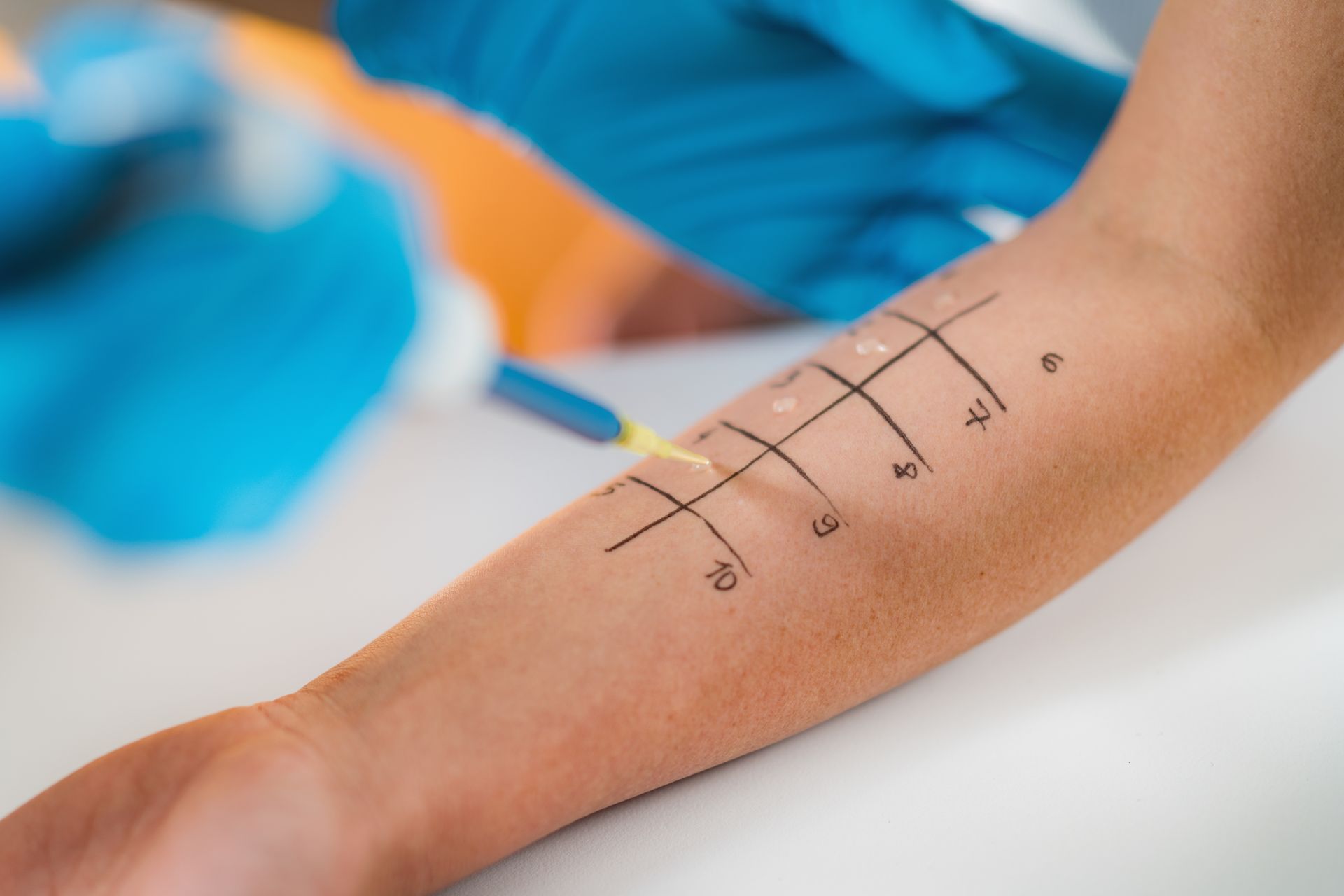
Seeing an allergy doctor for the first time can feel overwhelming, but knowing what to expect makes the process much easier. Patients who visit an allergy clinic serving their area often find that a clear walkthrough helps them feel prepared before their appointment.
What Types of Allergy Testing Will the Doctor Use?
Allergy testing typically falls into three main categories:
- Skin Prick Test: A small amount of allergen is applied to the skin using a tiny lancet. Results appear within 15 to 20 minutes as a small raised bump.
- Intradermal Test: A tiny amount of allergen is injected just below the skin's surface. This may be used when skin prick results are unclear or when testing for insect venom or drug sensitivities.
- Blood Test (IgE): A blood sample measures your immune system's response to specific allergens. This option suits patients who cannot stop certain medications or have skin conditions that interfere with skin tests.
Your doctor may recommend one method or a combination based on your health history.
How Should You Prepare for Your Appointment?
Proper preparation helps ensure accurate results. Your visit may need to be rescheduled if certain medications are still in your system on the day of testing.
- Stop Antihistamines: Medications such as Benadryl, Claritin, Allegra, and Zyrtec should be stopped 4 to 5 days before your visit, as they can interfere with skin test reactions.
- Continue Other Medications: Asthma medications, nasal sprays (except Astelin), and Singulair can typically be continued unless your doctor advises otherwise.
- Wear Comfortable Clothing: Short sleeves or loose-fitting tops allow easy access to your forearm.
- Plan Your Time: Most first appointments, including consultation and testing, take one to two hours.
If you are unsure whether a medication has antihistamine properties, this new patient info page provides helpful guidance, or call ahead to confirm.
Is Allergy Testing Safe for Children?
Testing is generally safe for children and adults alike. Reactions are typically mild and localized to the test site. The clinical team is trained to care for both pediatric and adult patients.
Does Allergy Testing Hurt?
Most patients describe skin prick testing as a mild scratch. Intradermal testing may cause brief, minor discomfort at the injection site. Blood draws involve a standard needle, similar to a routine lab visit. Serious reactions are rare and the team is prepared to manage them if they occur.
What Happens After Testing Results Come In?
Your results guide everything that follows. An allergy doctor can use those findings to build a personalized treatment plan matched to your specific triggers:
- Immunotherapy (Allergy Shots): A long-term approach that may gradually reduce sensitivity to identified allergens.
- Medication Management: Prescription or over-the-counter medications tailored to manage your specific symptoms.
- Environmental Changes: Practical adjustments such as air filtration, updated cleaning routines, or avoiding specific triggers.
Check our Google Profile to read what patients say about their experience with Dr. James Haden and the team.
Dr. Haden trained at UT Southwestern in Dallas and has participated in over 40 clinical trials, reflecting a commitment to evidence-based care that patients in the Arlington, TX, area can rely on.
Ready to See an Allergy Doctor?
The Allergy and Asthma Clinic of Fort Worth proudly serves patients in Arlington, TX, and surrounding DFW communities with an experienced team of allergy doctors. Whether you are dealing with seasonal sneezing, asthma, or suspected food allergies, Dr. James Haden and his team are here to help. Call
(817) 336-8855 to schedule your appointment. Visit our
Google Profile to learn more.