
Comprehensive Allergy Testing Serving Arlington, TX
Allergy Testing serving Arlington, TX, residents is available through the Allergy and Asthma Clinic of Fort Worth, a board-certified allergy and immunology practice led by Dr. James Haden. Patients across Tarrant County, including those in Arlington neighborhoods like Pantego, Kennedale, and the Entertainment District corridor near AT&T Stadium, can reach our team at (817) 336-8855 to schedule an evaluation. Persistent sneezing, itchy eyes, skin rashes, or breathing difficulty may mean your triggers have not yet been identified. Accurate testing is the first step toward lasting relief.

What Types of Allergy Tests Are Available?
Board-certified allergists can select from several test modalities to match your symptom history and health needs. Each method targets a different aspect of immune response, and the right approach may depend on your age, medications, and skin condition.
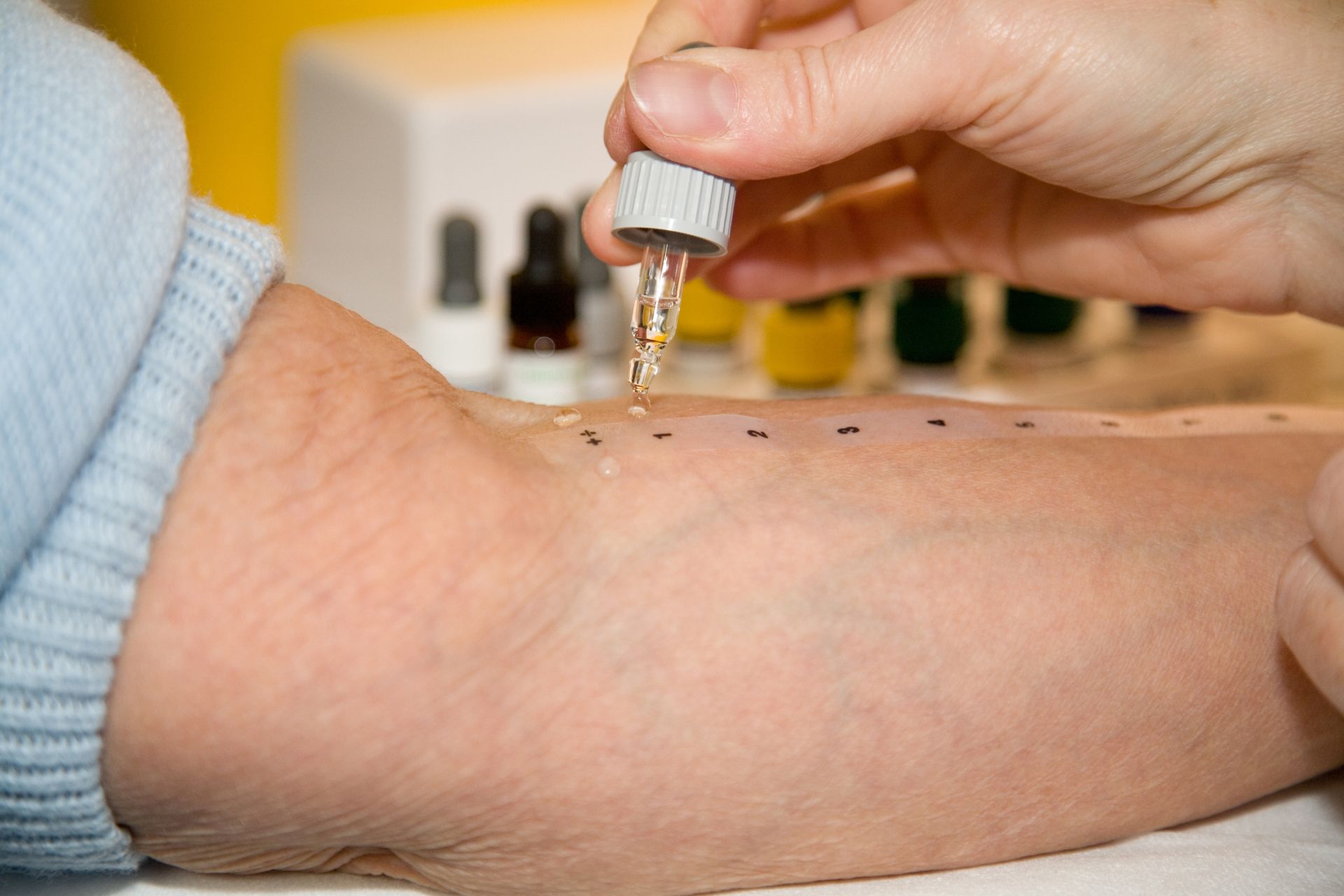
- Skin prick testing introduces a tiny amount of a suspected allergen to the surface of the skin to produce a localized reaction, offering quick and reliable results.
- Intradermal testing injects a small allergen dose just beneath the skin and may detect sensitivities that a prick test misses.
- Blood testing (RAST / ImmunoCAP) measures your immune system's IgE response in a lab and is often used when skin testing is not suitable.
- Patch testing identifies delayed contact reactions and is commonly used to evaluate skin conditions like eczema or contact dermatitis.
Learn more about skin testing methods available at the clinic.
Arlington and DFW Regional Allergens Make Year-Round Testing Especially Valuable
Arlington sits in Tarrant County inside one of North America's most demanding allergen environments. Mountain cedar (Ashe juniper) can trigger intense "cedar fever" symptoms each winter from December through February. Oak pollen dominates the spring months of March through May, blanketing vehicles and outdoor surfaces across the Mid-Cities area. Ragweed then extends from August through November, giving the Dallas-Fort Worth metroplex one of the longest ragweed seasons in the country. Bermuda grass, elm, pecan, dust mites, and mold round out a nearly continuous exposure cycle that rarely gives residents a full break. Knowing which of these triggers affects you can make treatment far more targeted and effective.
Children and Adults Are Both Eligible for Testing
Allergy testing is appropriate for a wide range of patients, from young children to adults managing longstanding symptoms. The clinic serves pediatric and adult patients and can tailor testing methods to suit each age group and tolerance level. Early identification of triggers in children may help prevent worsening symptoms and reduce the risk of developing asthma over time.
What to Expect at Your Visit
Your visit typically follows a straightforward process.
- Initial consultation: The allergist reviews your medical history, current symptoms, and any prior allergy evaluations.
- Test selection: Based on your profile, the allergist recommends the most appropriate test modality or combination.
- Testing procedure: Skin tests involve minimal discomfort and typically produce readable results within about 20 minutes; blood tests require a simple draw.
- Results review: Your allergist explains what the results mean and identifies your specific triggers.
- Treatment planning: A personalized plan may include medication, allergy immunotherapy, or lifestyle guidance based on your results.
Frequently Asked Questions
How Long Does Allergy Testing Usually Take?
A typical allergy testing appointment can often be completed within one to two hours. Skin prick results are usually readable within 20 minutes.
Do I Need to Stop My Allergy Medications Before Testing?
Certain antihistamines and other medications may interfere with skin test results. Your provider will advise which medications to pause and for how long.
Can Children Be Tested for Allergies?
Yes, children can be tested for allergies. Skin prick and intradermal methods may be used, tailored to the child's age and medical history.
Will My Insurance Cover Allergy Testing?
Many insurance plans cover medically necessary allergy testing. Contacting your insurance provider before your visit can help clarify your specific coverage and any out-of-pocket costs.
What Happens After I Get My Results?
After results are reviewed, your allergist will explain your triggers and discuss a treatment plan. Options may include medications, immunotherapy, or avoidance strategies.
Schedule Allergy Testing Serving Arlington, TX
Residents of Arlington, TX, and surrounding Tarrant County communities, including Grand Prairie, Mansfield, and the Mid-Cities area, can access comprehensive allergy testing through our experienced team. Contact us today to request an appointment and take a confident first step toward identifying your triggers and feeling better year-round.
Call us today at 817-336-8855 or visit our contact page to schedule your appointment or learn more about our services. Experience compassionate care, advanced testing options, and proven treatments all conveniently located near Arlington, TX. Breathe easier and live better—contact us now!